Soft Water vs. Hard Water: What Green Bay WI Homeowners Should Know
Learn how hard and soft water differ, how minerals affect everyday household tasks, and what Green Bay homeowners should know before deciding whether a water softener is right for their home.
Understanding Hard Water in Green Bay WI
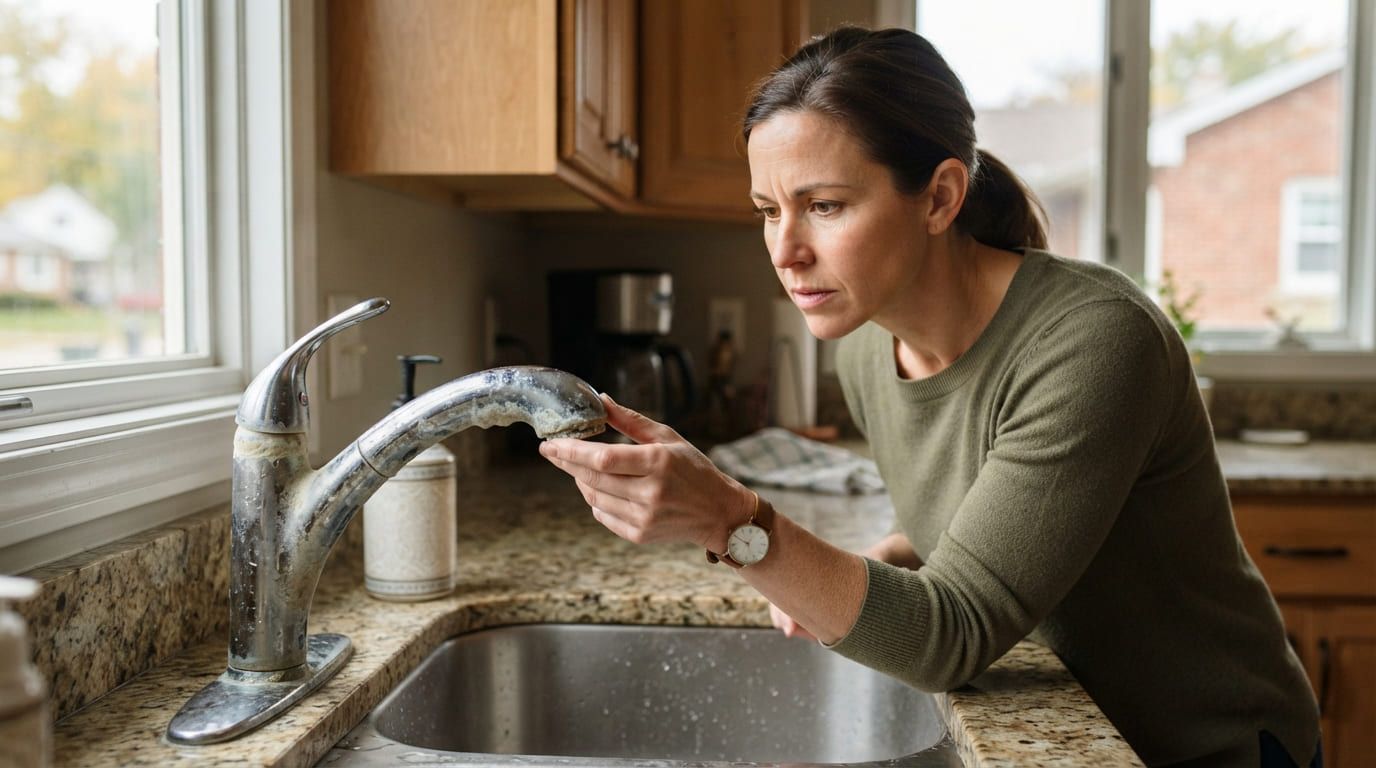
Have you noticed white spots on drinking glasses, cloudy buildup around faucets, or soap that never seems to rinse away completely? These can be signs of mineral rich water. Hard water contains dissolved minerals, mainly calcium and magnesium, that can leave deposits on household surfaces.
According to Green Bay Water, the city's municipal water has an average hardness of approximately 130 milligrams per liter, or 7.5 grains per gallon. The utility describes this as somewhere between traditionally soft and hard water. While some households may notice mineral deposits more than others, the water's effects can vary depending on plumbing, water use, and personal preferences.
What Is the Difference Between Soft Water and Hard Water?
Hard water contains more dissolved calcium and magnesium. These minerals are naturally present in many water sources and are not automatically a sign that drinking water is unsafe.
Soft water contains fewer hardness minerals. A water softener typically achieves this by using a process called ion exchange, which replaces calcium and magnesium ions with sodium or, in some systems, potassium ions.
The practical difference often becomes noticeable during cleaning, bathing, and laundry. However, not every home needs a water softener. The best decision depends on your water conditions and whether mineral buildup is causing problems you want to address.
How Hard Water Can Affect Everyday Household Tasks
Dishes and Glassware
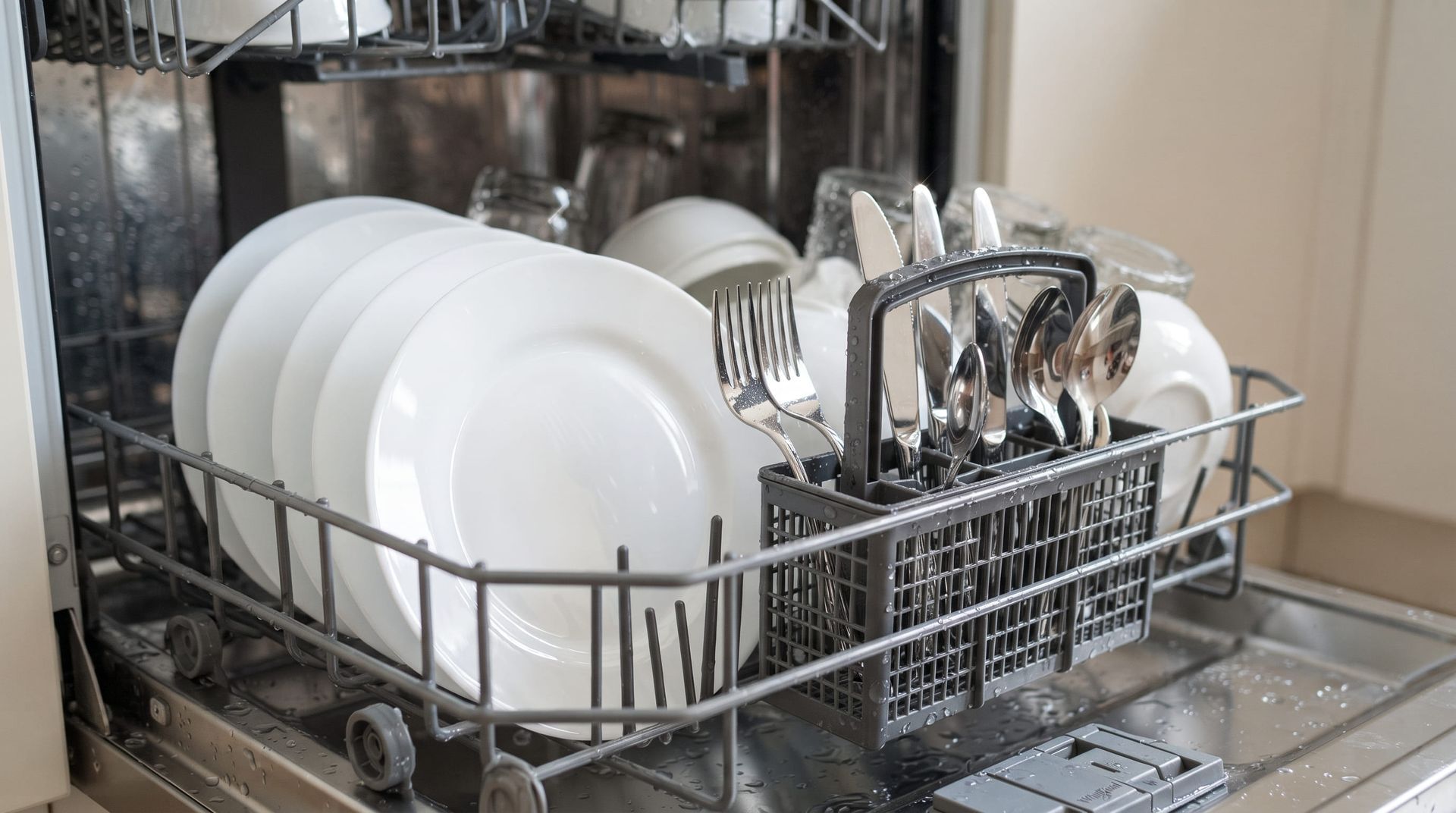
Hard water minerals can leave cloudy spots or a chalky film on glasses, plates, and silverware. These marks may remain even after a dishwasher cycle, making clean dishes appear dirty. Adjusting dishwasher settings and using a suitable detergent may help, although a softener can reduce mineral deposits when hardness is the main cause.
Bathrooms and Kitchen Fixtures
White residue around faucets, showerheads, and sink drains can be difficult to remove. Over time, mineral buildup may restrict water flow through small openings in showerheads and faucet aerators. Regular cleaning can help manage the deposits, while softened water can reduce new mineral accumulation.
Laundry and Cleaning
Hard water can interfere with soap performance and may contribute to residue on clothing or towels. Some people notice that fabrics feel less comfortable or that extra detergent seems necessary. Using the correct amount of detergent for your water conditions can help, but a water softener may provide additional benefits when hardness is a persistent issue.
Bathing and Personal Care
Some households find that soap lathers more easily with soft water and that rinsing feels different. Hard water minerals can interact with soap and create residue on skin and hair. Individual experiences vary, so softer water should be viewed as a comfort preference rather than a guaranteed solution for skin or hair concerns.
Does Every Green Bay Home Need a Water Softener?
Not necessarily. Green Bay's municipal water hardness is moderate by many common classifications, and the local water utility does not say that every home requires a softener. Some residents may be satisfied with their current water, while others may prefer to reduce spots, scale, and cleaning effort.
Homes using private wells may have different water conditions from those connected to the municipal system. Even within a service area, plumbing and household circumstances can influence what residents experience.
Before purchasing equipment, consider testing your water and identifying the problems you want to solve. If mineral deposits are your main concern, a water professional can help determine whether softening is appropriate and recommend a system sized for your household.
What to Consider Before Installing a Water Softener
A water softener should match your home's actual water conditions and daily water use. Consider these points before making a decision:
- Test your water: Confirm the hardness level instead of relying only on visible spots or general city averages.
- Identify your main concern: Decide whether you want to reduce scale, improve soap performance, or simplify cleaning.
- Choose the right system size: Household size, water use, and measured hardness help determine the appropriate capacity.
- Understand maintenance needs: Many salt based systems require periodic salt refills, regeneration, and occasional inspection.
- Review sodium considerations: Ion exchange systems add some sodium to softened water. Ask a qualified professional about alternatives if sodium intake is a concern.
Taking these steps can help you avoid buying equipment that is unnecessary or poorly matched to your home.
Find the Right Water Softening Solution for Your Green Bay Home
Choosing between hard water and softened water starts with understanding what comes from your tap. For some Green Bay homeowners, regular cleaning and simple adjustments may be enough. For others, reducing mineral deposits and improving everyday water use may make a water softener worth considering.
Green Bay Water Softener can help Green Bay, WI homeowners explore water softening options based on their household needs. Start by identifying your water concerns, confirming your hardness level, and discussing a suitable solution for your home.