Is Green Bay’s Water Hard Enough to Need a Water Softener?
What the Local Hardness Level Means for Your Fixtures, Appliances, Laundry, and Daily Water Use
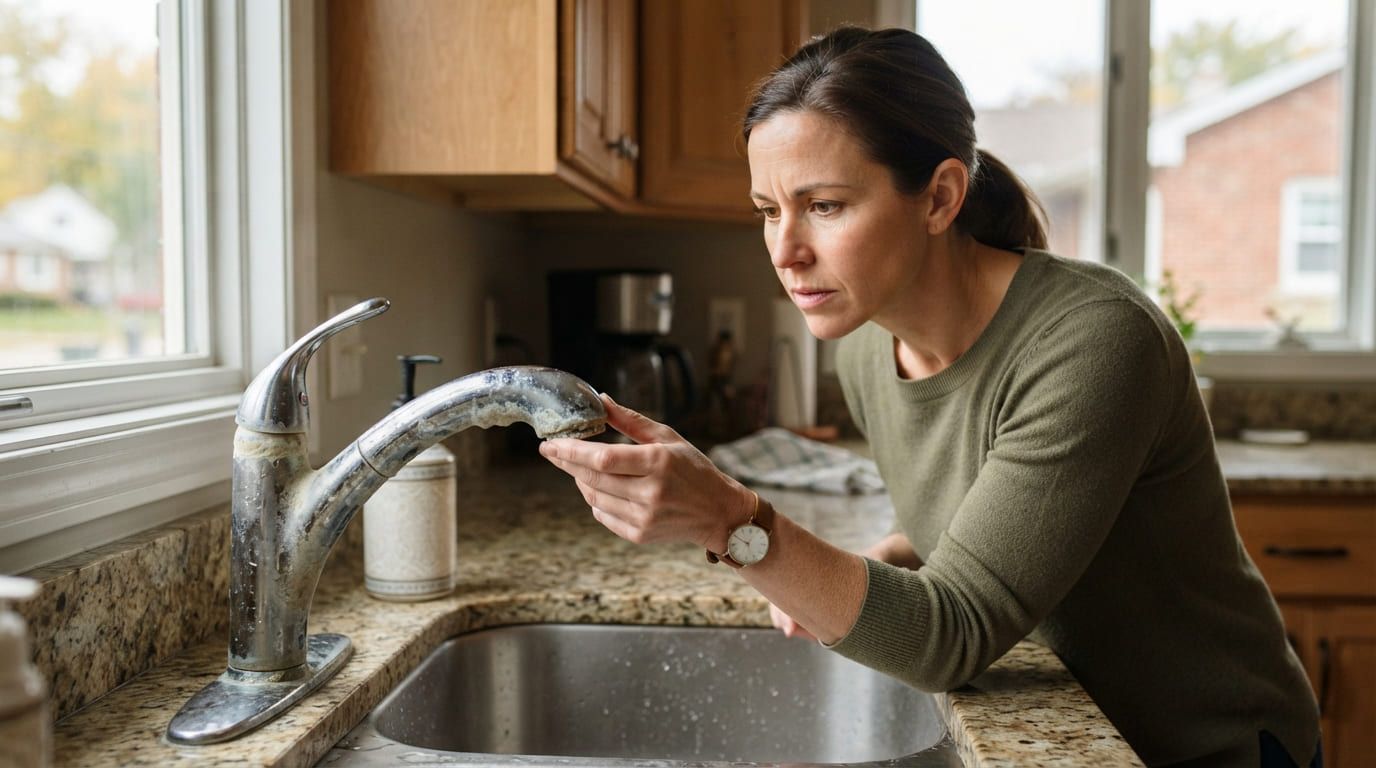
Green Bay homeowners sometimes wonder whether a water softener is really necessary. The water may look clear, taste normal, and meet municipal drinking water standards, yet it can still leave spots on glasses or a chalky coating around faucets.
That happens because water safety and water hardness are two different issues. Water can be safe to drink while still containing enough calcium and magnesium to create scale, interfere with soap, and affect water using appliances.
Green Bay Water reports a hardness level of approximately 130 milligrams per liter, or about 7.5 grains per gallon. That places the city’s water in the hard range. Green Bay Water Quality
Whether you need a softener depends on how the water affects your home and what you want to improve.
Where Green Bay’s Water Comes From
Green Bay receives its drinking water from Lake Michigan. The water is treated and filtered before being distributed to homes and businesses throughout the city.
Lake Michigan provides a consistent water source, but it naturally contains dissolved calcium and magnesium. These minerals are responsible for the hardness level found in Green Bay’s water.
Hardness minerals are not usually considered a health concern. In fact, calcium and magnesium are naturally occurring minerals. The problem is how they behave inside a home, particularly when water is heated or allowed to dry on a surface.
What Does 7.5 Grains Per Gallon Mean?
Water hardness is commonly measured in grains per gallon. The usual hardness categories are:
- Below 3.5 grains is considered soft
- 3.5 to 7 grains is considered moderately hard
- 7 to 10.5 grains is considered hard
- Above 10.5 grains is considered very hard
At approximately 7.5 grains per gallon, Green Bay’s water falls just inside the hard category. It is not as mineral heavy as the groundwater found in some other Wisconsin communities, but it can still produce noticeable scale and soap related problems.
The exact hardness at your home may vary slightly. Testing at the property is the best way to confirm the level before selecting a treatment system.
Signs of Hard Water in a Green Bay Home
Hard water usually does not announce itself with an unusual color or strong odor. Homeowners are more likely to notice its effects during cleaning, laundry, and bathing.
Common signs include:
- White spots on glasses and dishes
- Mineral residue around faucets
- Cloudy shower doors
- Scale on showerheads
- Soap scum in tubs and showers
- Laundry that feels stiff
- Towels that lose their softness
- Dry feeling skin after bathing
- Shampoo that is difficult to rinse
- Reduced flow through faucet aerators
Some households are more bothered by these symptoms than others. A homeowner with glass shower doors and stainless steel fixtures may notice hard water deposits much sooner than someone with different surfaces.
Why Hard Water Spots Keep Coming Back
You can remove mineral buildup with vinegar, specialty cleaners, and regular scrubbing. The problem is that cleaning only removes the deposits that have already formed.
Every time untreated water evaporates, it can leave behind more calcium and magnesium. This is why freshly cleaned faucets and shower doors may look spotted again within a few days.
A water softener treats the source of the problem. By removing hardness minerals before they reach your fixtures, it helps prevent new scale from forming.
How Hard Water Affects Your Water Heater
Water heaters are especially vulnerable to mineral buildup because heat encourages calcium and magnesium to separate from the water.
In a traditional tank water heater, minerals may collect at the bottom of the tank. In a tankless unit, scale can develop inside narrow water passages and on heat exchange surfaces.
Over time, this buildup may:
- Reduce heating efficiency
- Make the unit work harder
- Restrict water flow
- Create popping or rumbling sounds
- Increase maintenance needs
- Contribute to premature component wear
Installing a water softener can help protect the water heater by reducing the minerals responsible for scale.
The Effect on Dishwashers and Washing Machines
Hard water also changes how soaps and detergents perform. Calcium and magnesium react with cleaning products before those products can work effectively.
In the dishwasher, this may lead to spotted glasses, cloudy dishes, and residue on the interior of the machine. In the washing machine, clothes may feel stiff or look dull even after a complete wash cycle.
Homeowners often respond by adding more detergent. This can increase product use without fully solving the problem.
Softened water allows soap to lather and rinse more efficiently. Once the water is softened, many households can reduce the amount of laundry detergent, dishwashing detergent, shampoo, and household cleaner they use.
How a Water Softener Works
A traditional water softener removes calcium and magnesium through ion exchange.
Water passes through a tank containing specialized resin. The resin captures the hardness minerals, allowing softened water to continue into the home.
After the resin collects a certain amount of hardness, the system completes a regeneration cycle. Salt stored in the brine tank is used to clean and recharge the resin.
Modern demand based systems monitor water use and regenerate only when needed. Correct sizing and programming help the equipment conserve salt and water while providing a dependable supply of softened water.
Benefits Green Bay Homeowners May Notice
The benefits of a water softener are often most noticeable in everyday routines.
Softened water may provide:
- Fewer spots on dishes and glasses
- Less scale around faucets
- Cleaner looking shower doors
- Reduced soap scum
- Better soap and shampoo lather
- Softer feeling clothes and towels
- Easier kitchen and bathroom cleaning
- Better protection for water using appliances
- Less mineral accumulation inside fixtures
A softener will not remove existing scale automatically, but it can help prevent additional deposits from developing.
Do You Also Need a Water Filter?
A water softener and water filter perform different jobs.
A softener removes calcium and magnesium. A filter may be used to address chlorine taste, odors, sediment, or specific substances identified through testing.
Depending on your goals, your home may benefit from:
- A water softener for hardness
- A whole house filter for water throughout the home
- A reverse osmosis system for drinking and cooking water
- A combination system for multiple concerns
Municipal treatment makes Green Bay’s water suitable for public distribution. Additional home filtration is generally based on the homeowner’s preferences and the conditions found at the property.
Why You Should Test Before Buying
Green Bay’s published hardness level provides a helpful starting point, but water treatment equipment should be selected for the individual home.
A professional evaluation should consider:
- The hardness measured at your faucet
- Number of people in the household
- Average daily water use
- Number of bathrooms
- Peak plumbing flow rate
- Existing treatment equipment
- Taste or odor concerns
- Available installation space
Testing helps determine whether a water softener would provide a meaningful benefit and how much capacity the household needs.
Avoid Buying a System That Is Too Large
It is easy to assume that a larger water softener is always better. In reality, oversized equipment can cost more than necessary and may operate inefficiently if it is not programmed correctly.
An undersized unit can also create problems. It may regenerate too frequently or allow hardness through during periods of heavy use.
The best system is one sized according to the home’s hardness level, water consumption, and peak flow demand.
Get Better Water in Your Green Bay Home
Green Bay’s water is considered hard, and its mineral content can affect fixtures, cleaning, laundry, and water using appliances. A properly sized water softener can reduce those problems and make everyday water easier to live with.
Green Bay Water Softener provides water testing, water softener installation, whole house filtration, reverse osmosis systems, and iron filtration in Green Bay, Wisconsin.
Contact Green Bay Water Softener to schedule a water evaluation and receive a treatment recommendation based on your home, household, and water quality goals.